An inbound voice agent for Mercedes-Benz After-Sales — recognising the caller, selecting the vehicle and service, matching a capable workshop bay, and confirming the booking end-to-end. Maintenance, minor faults, recalls, drivable-accident intake and roadside breakdowns, handled in a single call.
Not a chatbot, not a routing tree. A deterministic voice agent that owns the booking end-to-end and hands over to a service advisor the moment a call needs one.
Service booked in one call
The agent verifies the caller, chooses the vehicle and service, matches a capable workshop bay and confirms the slot — no hold music, no call-backs, no forms.
Inbound intake, around the clock
Customers call any time and are recognised by phone number. The agent greets them by name, pulls their vehicles and prognoses, and walks them straight into booking.
The right service, every time
Concerns are mapped to the standardised service catalogue — Service A/B, ASSYST PLUS, fault-code diagnosis, recall work or body repair — so the job booked matches the car.
Capability-matched slots
Every bay is checked for the required qualification, equipment and duration before a slot is offered. Customers only see appointments a dealer can genuinely perform.
One system of record — XENTRY Book
Every confirmation, booking and workshop notification is written to Mercedes' XENTRY Book portal, with a full journal of the call — one auditable source across dealers.
Workshops notified automatically
The moment a booking is confirmed, the workshop receives a structured notification with vehicle, service and slot — exactly once, matched to the booking, with no re-keying.
The platform turns inbound service enquiries into completed bookings — a voice agent that recognises the caller, selects the vehicle and the right service, matches a capable workshop bay and slot, confirms the appointment, and notifies the workshop. Handing over to a human advisor the moment a call needs one.
Deterministic booking flow
Recognise → verify → vehicle → service → workshop → slot → confirm → notify runs as a fixed, guarded sequence. The model speaks; the flow decides — no skipped steps, no invented bookings.
Human handover on demand
The agent handles the routine call. Any failed verification, edge case or explicit request hands the caller to a service advisor with the full context of the call preserved.
Every call, fully journalled
Every read, confirmation, booking and workshop notification lands in the XENTRY Book journal — a tamper-evident, replayable record of exactly what the agent did and when.
Grounded in real dealer data
Customers, vehicles, consents, the service catalogue, dealer bays and live slot availability all back the agent — every recommendation is grounded in the real dataset, not a guess.
Capability and idempotency gates
Slots are capability-matched before they are offered, and bookings are idempotent — a retried request never double-books a bay or double-notifies a workshop.
Consent and privacy first
Identity is verified before any personal data is shared, outbound messages are persisted rather than blindly dispatched, and consent records travel with every customer.
Every step from the inbound call to a confirmed appointment and workshop notification — each grounded in real dealer, vehicle and slot data, and journalled on every call.
Inbound call and recognition
The agent answers, recognises the caller by phone number and greets them by name — pulling their record, vehicles and consents to start the booking with full context.
Identity verification
Before any personal data is shared, the caller is verified against the record. Failed or unknown callers are handed to a human advisor instead of guessing.
Vehicle and concern capture
The customer's vehicles are listed and one is selected; the described concern is mapped to the standardised service catalogue so the booking targets the right job.
Fault-code diagnosis
Minor-problem calls diagnose the reported symptom or dashboard warning against the DTC catalogue, bundling the correct diagnostic and repair service for the booking.
Recall and campaign check
Open recall and service campaigns are checked by VIN and folded into the same appointment, so safety-relevant work is never missed at booking time.
Drivable-accident intake
For drivable damage the agent captures the scenario, assesses it, checks the insurance policy and builds an estimate — then continues into a workshop booking.
Roadside and breakdown
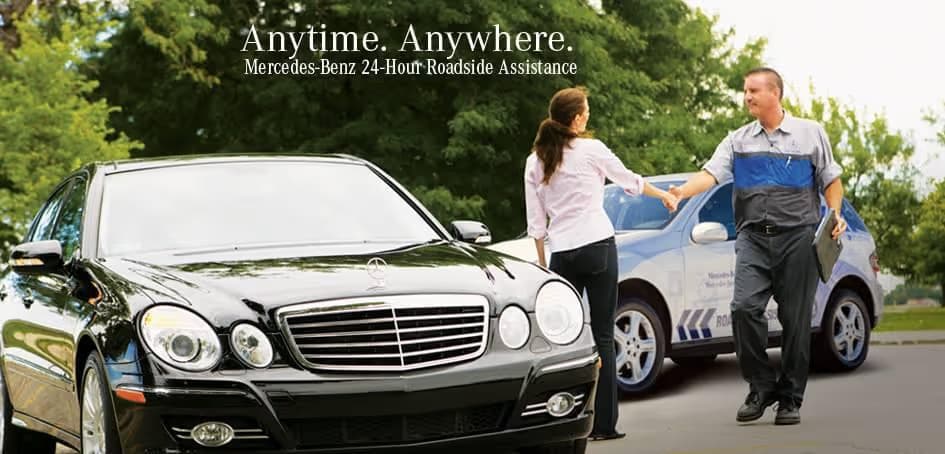
When the car isn't drivable but nobody is hurt, the agent confirms safety, logs the breakdown, dispatches roadside help with an ETA and books the follow-up visit.
Workshop and slot matching
A capable dealer is recommended and read-now returns the free, fitting slots — capability-matched on qualification, equipment and duration before anything is offered.
Confirm, book and notify
The customer approves a slot; the agent writes the confirmation and the idempotent booking, then notifies the workshop exactly once — all against XENTRY Book.
Handover and callback
At any point the agent hands over to a service advisor or, if the call drops, persists the context and queues a callback so the customer can resume where they left off.
The handover and callback lane keeps a service advisor one step away at all times — preserving the full call context on every interruption so no customer has to start their booking over.
A high-volume after-sales operation, reimagined as a production-grade agentic voice assistant — purpose-built for the accuracy, capability-matching and auditability that workshop service booking demands.
- Five inbound intake journeys — maintenance and wear, minor problems, recall, drivable-accident and roadside breakdown.
- One deterministic flow, orchestrated end-to-end — recognise → verify → book → notify.
- Grounded in the full dataset — customers, vehicles, consents, service catalogue, dealers and live slot availability.
- Capability-matched read-now — slots filtered by qualification, equipment and duration before they are offered.
- Idempotent bookings and exactly-once workshop notifications, journalled on every call.
- Identity verified before any data is shared, with human handover on demand.